When a tooth starts hurting, most people want a quick, simple answer: is this just a cavity, or is it something more serious? That question sits at the heart of the root canal vs filling decision. Both treatments are common, both can save a tooth, and both are meant to protect your long-term dental health. But they solve very different problems.
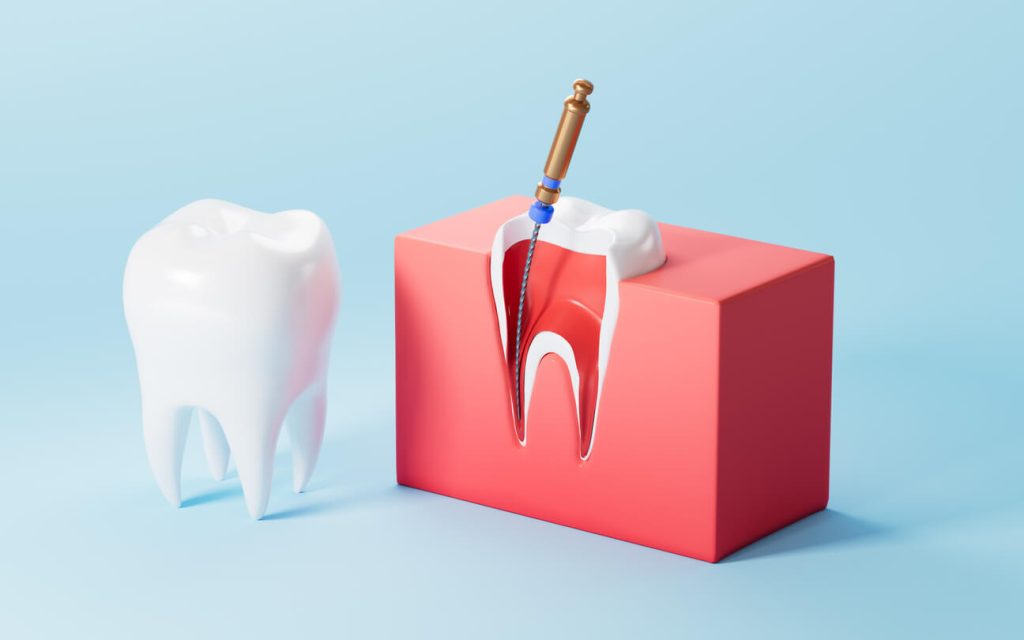
A filling repairs damage in the outer part of the tooth. A root canal treats trouble deeper inside, where the tooth’s pulp, nerves, blood vessels, and soft tissue live. In other words, a filling patches the shell, while a root canal procedure cleans out the center when infection or inflammation has reached too far. If you are trying to figure out whether you may need a root canal or a simpler repair, the answer depends on how deep the damage goes, what symptoms you have, and what your dentist sees during a dental exam.
For patients in Saskatoon and Watrous, this is one of the most common questions that comes up after sudden sensitivity, a cracked tooth, or lingering pain after eating something sweet. The good news is that modern dental technology gives dentists a clear view of what is happening, and modern techniques make both dental procedures far more comfortable than many people expect.
What’s the Difference Between a Filling and a Root Canal?
The biggest difference in the filling vs root canal conversation is how much of the tooth is affected. A tooth filling is used when the problem is limited to the enamel or dentin, the harder outer layers of the tooth structure. If you have minor decay, small cavities, or a chipped area that has not exposed the tooth’s pulp, a dental filling can usually restore the tooth and stop decay before it spreads.
A root canal is different. Root canal treatment is typically recommended when decay reaches the inner chamber of the tooth, or when trauma, cracks, or extensive decay cause inflammation or infection in the tooth’s pulp. That inner pulp contains nerves and blood vessels, so once it becomes irritated, the pain can shift from occasional sensitivity to severe tooth pain that seems to pulse with your heartbeat.
A tooth filling involves removing the decayed portion of the tooth and replacing it with a filling material such as composite resin. The goal is to restore shape, function, and strength while keeping as much natural tooth as possible. In many cases, this can be done in one visit with local anesthesia, and patients usually leave with only mild soreness or mild discomfort.
A root canal procedure goes further. During root canal therapy, the dentist numbs the area with local anesthesia, opens the tooth, removes infected tissue or damaged pulp, cleans and shapes the canals, and seals the inside of the tooth. In some cases, a temporary filling is placed before the final restoration. Because a root canal procedure treats the inside of the tooth root, it may require multiple visits depending on the condition of the tooth and whether a crown is needed afterward.
That is why root canal vs filling is not really about choosing the “bigger” or “smaller” treatment. It is about choosing the appropriate treatment for the level of damage present. A filling fixes a cavity before it gets worse. A root canal treats a deeper infection so the tooth does not head toward extraction.
How Dentists Determine Which Treatment You Need
If you are wondering whether you need a root canal or filling, your dentist does not guess based on pain alone. The decision comes from a combination of symptoms, imaging, and a close look at the tooth structure. Some cavities cause almost no discomfort, while some cracked teeth create dramatic pain even before infection sets in.
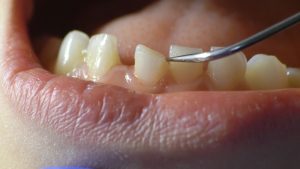
A proper dental exam usually includes looking for visible damage, tapping on the tooth, checking gum health, and taking X-rays. This helps the dental professional see whether the decay is shallow, deep, or close to the tooth’s pulp. It also shows whether there may be a deeper infection near the tooth root or signs of inflammation around the bone.
In the root canal vs filling discussion, dentists are asking a few practical questions. Is the tooth alive and recoverable with a simple filling? Is the pulp inflamed but still likely to heal? Or has the infected pulp reached the point where root canal treatment is the best chance to save the natural tooth?
Pain patterns matter too. Mild pain with sweets or brief tooth sensitivity to hot or cold temperatures may suggest a cavity that can be treated with a tooth filling. Persistent pain, pain that wakes you up, or pain that lingers long after the trigger is gone may point toward an infected tooth. Swelling, pressure when biting, and a pimple-like bump on the gums are also signs your dentist will take seriously.
Dentists also consider whether the tooth can remain strong after treatment. If too much tooth structure has been lost to dental decay, a filling may not be enough to keep the tooth strong over time. In those cases, the right treatment may involve root canal therapy followed by a crown to protect the treated tooth.
If you want to learn more about how deeper inner-tooth problems are diagnosed and managed, Wheatland Dental offers more information about root canals and endodontics.
Symptoms That Point Toward a Root Canal
Some symptoms make the filling vs root canal question lean heavily toward a root canal. The classic one is persistent pain. Not the quick zing from ice cream. Not the momentary ache after biting candy. We mean pain that hangs around, builds, throbs, or returns again and again.
A tooth may need a root canal if you have severe pain while chewing, severe tooth pain that radiates into the jaw, or pain that lingers after hot or cold temperatures touch the tooth. That lingering response often means the tooth’s pulp is inflamed or dying. When the soft tissue inside the tooth cannot recover on its own, a simple filling will not solve the real problem.
Other signs that suggest you may need a root canal include swelling in the gums, tenderness near one tooth, darkening of the tooth, or a bad taste caused by drainage from an infected area. An infected pulp can create pressure inside the tooth like steam trapped in a sealed pipe. If left alone, that pressure and infection can spread beyond the tooth itself.
Another red flag is pain after an old filling. Sometimes a tooth that once had a tooth filling develops further decay underneath or around the restoration. In other cases, a crack allows bacteria to reach the pulp. Even though the tooth already has a filling material in place, the newer issue may now call for root canal treatment.
Deep cracks and trauma can also lead to root canal therapy even when there is no obvious cavity. A hockey puck, a fall, or years of grinding can all create internal irritation. If the nerve has been compromised, the tooth may still look fairly normal on the outside while the inside tells a different story.
If these symptoms sound familiar, it is worth reading more about root canal infection symptoms causes treatments, especially if you are trying to tell the difference between temporary irritation and a deeper infection.
Symptoms That May Only Require a Filling
Not every cavity means you need a root canal. In many cases, a simple filling is all that is needed, especially when the problem is caught early. This is why regular checkups matter so much for dental health. Small areas of decay are easier to treat, less invasive, and less expensive than waiting until pain forces the issue.
Symptoms that may point to a dental filling include mild pain when eating sweets, brief tooth sensitivity to cold drinks, food getting stuck in a small hole, or visible damage such as a dark spot or tiny chip. These signs often mean the decay has affected the outer tooth structure but has not yet reached the tooth’s pulp.
With a tooth filling, the dentist numbs the area, removes the decayed portion, and places composite resin or another filling material to restore the shape of the tooth. A tooth filling involves preserving the healthy parts of the tooth while sealing out bacteria. For many patients, it is one of the most straightforward dental procedures they will ever have.
After a filling, it is normal to experience mild discomfort or mild soreness for a short time, especially with pressure or temperature changes. That does not automatically mean you need a root canal. The key difference is that the discomfort should improve, not intensify. If symptoms continue, the tooth may need to be reassessed.
A filling is often the right treatment for minor decay, small cavities, and early tooth damage because it helps stop decay before it becomes a larger issue. It protects the natural tooth, restores function, and can often be completed in one visit. If you are curious about materials, process, and aftercare, you can learn more about cavity fillings what to expect types potential problems.
Root Canal vs Filling: Key Differences in Treatment and Recovery
When patients compare root canal vs filling, they are often thinking about time, discomfort, and recovery. That is understandable. The names alone can make one sound routine and the other sound intimidating. But in reality, both procedures aim to relieve pain, stop infection or decay, and preserve your natural tooth.
A filling is generally quicker. The dentist numbs the area with local anesthesia, removes the decayed portion, places the dental filling, and shapes it so your bite feels normal. Most people return to their day right after the appointment. They may experience mild discomfort, but it usually fades quickly.
A root canal procedure is more involved because it treats the inside of the tooth. Root canal therapy may require multiple visits, especially if the infection is significant or if the tooth needs a crown. During one stage, the dentist may place a temporary filling until the final restoration is ready. Even so, modern techniques and local anesthesia make the process far more pain free than its reputation suggests.
The real issue in filling vs root canal is not which sounds easier. It is which one actually addresses the source of the problem. A simple filling placed on a tooth with infected pulp is like repainting a wall with a burst pipe behind it. It may look better for a moment, but the trouble keeps spreading underneath.
What Happens if Treatment Is Delayed?
Delaying treatment can turn a manageable problem into a much bigger one. A cavity that could have been fixed with a tooth filling may keep spreading through the tooth structure until the decay reaches the pulp. At that point, the root canal or filling question changes completely. What might have been a simple filling can become root canal treatment.
When treatment is delayed, dental decay often moves quietly. Teeth are sneaky that way. They do not always stage a dramatic protest at the beginning. Sometimes there is only mild pain, a little tooth sensitivity, or no symptoms at all. But once bacteria reach the soft tissue inside the tooth, the situation can shift fast.
An untreated infected tooth can lead to severe pain, swelling, abscess formation, and further damage to surrounding tissues. In severe cases, the tooth may become so severely decayed that it cannot be saved. That can lead to tooth loss and the need for more complex restorative care.
Prompt care helps alleviate pain, stop further decay, and protect your oral health. It also gives your dentist the best chance to save the tooth with the least invasive option possible. In many cases, the earlier you come in, the more likely it is that a tooth filling rather than root canal treatment can do the job.
How to Protect Your Natural Tooth Whenever Possible
Whether the answer is filling vs root canal, the goal is usually the same: save the natural tooth if it can be saved. Your own tooth is almost always worth preserving when possible because it supports normal chewing, keeps nearby teeth stable, and maintains the natural feel of your bite.
The best way to avoid needing more involved dental procedures is to catch problems early. That means regular exams, cleanings, and paying attention when a tooth starts acting differently. A brief twinge today can become persistent pain months from now if ignored.
Good home care matters too. Brushing, flossing, reducing frequent sugar exposure, and wearing a nightguard if you grind can all lower the risk of tooth damage and dental decay. Diet also plays a role in keeping enamel resilient and reducing the chances of small cavities becoming major repairs. Strong daily habits are not glamorous, but they are often what keeps a simple filling from turning into a root canal procedure later.
FAQ Section
Is a root canal more painful than a filling?
Most patients are surprised by how manageable both treatments feel. With local anesthesia, the dentist numbs the area before starting. A filling is usually faster, but a root canal procedure is designed to alleviate pain caused by an inflamed or infected pulp. You may experience mild soreness after either appointment, but modern care is focused on keeping treatment comfortable.
The bigger source of pain is usually the untreated tooth, not the procedure itself. If you have severe tooth pain, treatment often brings relief rather than more discomfort.
Can a cavity turn into a root canal situation?
Yes. A small cavity can become a root canal issue if treatment is delayed and the decay reaches the tooth’s pulp. What starts as minor decay can develop into deep decay, infection, and persistent pain.
That is one reason routine checkups matter so much for dental health. Catching a cavity early may allow for a simple filling instead of root canal therapy.
How do I know if I need a root canal or filling?
You cannot reliably diagnose this at home. The answer depends on your symptoms, the depth of the cavity or crack, and what your dentist sees during a dental exam and X-rays.
If your pain is brief and triggered mainly by sweets or cold, a filling may be enough. If the pain lingers, feels intense, or is paired with swelling or pressure, you may need a root canal. The safest next step is to have the tooth checked before further damage develops.
Can a filled tooth still need a root canal later?
Yes. A tooth with an older filling can still develop further decay, cracks, or deeper infection over time. If bacteria get into the inner pulp, root canal treatment may become necessary even if the tooth already has a filling.
This does not mean the original treatment failed. It usually means the tooth changed later, much like a repaired windshield can still crack again under the right stress.
Is it better to pull the tooth instead of getting a root canal?
In many cases, saving the natural tooth is the better option if the tooth can be restored successfully. Root canal treatment helps preserve function and avoid tooth loss. Extraction may be necessary in severe cases, but it often leads to additional treatment needs if you want to replace the missing tooth.
The right treatment depends on the condition of the tooth, the surrounding bone, and your overall dental needs.
When should I call a dentist?
Call sooner rather than later if you have persistent pain, swelling, visible damage, pain when biting, or sensitivity that lingers after hot or cold temperatures. Those symptoms do not always mean you need a root canal, but they do mean the tooth should be examined.
At Wheatland Dental, our experienced team helps patients in Saskatoon and Watrous understand their options clearly, without pressure and without guesswork. If you are dealing with a painful or suspicious tooth, getting it checked now can help protect your oral health and may keep a small problem from becoming a much bigger one.