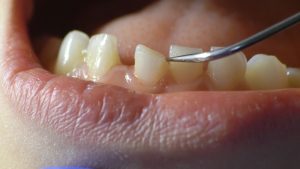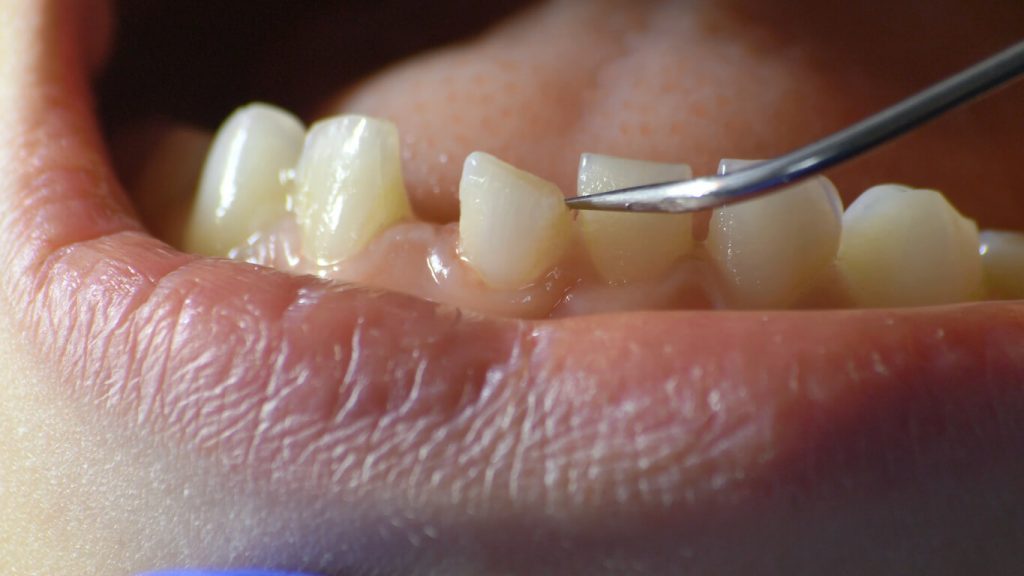
Feeling a tooth move when it shouldn’t can be unsettling. Adult teeth are supposed to feel stable and firmly anchored, so even a slight wobble can make you wonder whether something serious is going on. In children, a loose tooth is part of growing up. In adults, it usually means the tooth, gums, bone, or supporting tissues need attention.
A loose tooth in adults can happen for several reasons. Sometimes the cause is straightforward, like an injury from sports, grinding your teeth at night, or biting down on something unexpectedly hard. In other cases, the issue develops slowly in the background, often because of gum disease, bone loss, or untreated dental problems that weaken the tooth’s support over time.
The good news is that a loose tooth does not always mean the tooth is lost. Early treatment can often stabilize the tooth, protect the surrounding structures, and prevent bigger problems down the road. If you live in the Saskatoon area and notice a tooth that feels different when you chew, wiggles when you touch it, or seems to have shifted position, it is worth having it checked sooner rather than later.
Why Do Adult Teeth Become Loose?
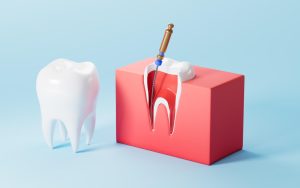
Adult teeth stay in place because they are supported by a surprisingly sophisticated system: the root, the surrounding bone, the gums, and the periodontal ligament, which acts a bit like a tiny shock absorber. When any part of that support system is damaged, inflamed, or weakened, the tooth can begin to move.
One of the most common reasons for loose teeth in adults is gum disease. Plaque and bacteria can build up around the gumline and trigger inflammation. In the early stage, called gingivitis, the gums may bleed or feel tender. If the infection progresses to periodontitis, it can begin to damage the bone and connective tissues that hold teeth in place. That is when a tooth can start to feel loose, almost like a fence post in soil that has slowly washed away.
Trauma is another major cause. A fall, a sports injury, a car accident, or even biting into something unexpectedly hard can injure the tooth and the tissues around it. Sometimes the tooth loosens right away. Other times, the damage is subtler, and the tooth feels sore or slightly mobile over the next few days.
Teeth grinding and clenching can also play a role. Many people grind at night without realizing it. Constant pressure on the teeth can strain the ligaments and supporting bone, especially if the bite is uneven. A tooth that feels loose in the morning or sore after waking may be reacting to that repeated force.
There are also dental causes that are less obvious at first glance. An untreated infection at the root, advanced tooth decay, or a fractured tooth can all affect stability. In some situations, hormonal changes, certain medications, or health conditions that affect bone density can contribute to looseness as well.
If you have recently had orthodontic treatment, you might notice a temporary sensation that a tooth feels slightly mobile. Teeth move through bone during orthodontics, so some mild movement can occur during treatment. That said, significant mobility should still be evaluated by a dentist.
Can a Loose Tooth Heal on Its Own?
Sometimes, but not in the way people often hope. A mildly loose tooth caused by temporary inflammation or minor trauma may tighten again once the source of irritation is treated and the tissues have a chance to recover. For example, if a tooth is sore and slightly mobile after being hit, a dentist may be able to monitor it, adjust the bite if needed, and recommend a soft-food diet while the area settles.
However, a loose adult tooth rarely improves on its own if the underlying cause is gum disease, infection, or bone loss. In those cases, waiting is risky. The tooth may not hurt much at first, which can create a false sense of calm, but the support around it may continue to deteriorate quietly. By the time the tooth feels very loose, there may be much less structure left to save.
This is why it is important not to test the tooth repeatedly with your finger or tongue. People do this almost automatically, the same way you cannot stop checking a sore spot after biting your cheek. But repeated wiggling can aggravate the tissues and make things worse.
The best first step is to call a dentist for an exam. A proper assessment can determine whether the looseness is temporary, whether the tooth can be stabilized, and whether treatment is needed right away. In many cases, quick action makes the difference between saving the tooth and losing it.
Is a Loose Tooth Always a Dental Emergency?
Not always, but it should never be ignored. A loose tooth in adults is usually urgent, even if it is not a middle-of-the-night emergency. Think of it like a warning light on your dashboard. The car may still be running, but something needs attention before the problem gets more expensive and harder to fix.
If the looseness happened after an injury, especially if the tooth is visibly displaced, painful, bleeding, or interfering with your bite, you should contact a dentist as soon as possible. Trauma-related tooth mobility can sometimes be treated successfully when care is provided quickly.
A loose tooth can also be more urgent if it comes with signs of infection. Swelling, pus, a bad taste in the mouth, fever, facial pain, or throbbing discomfort are all reasons to seek prompt care. Infections in the mouth do not always stay small and contained.
Even if there is no pain, an adult tooth that feels loose while chewing or brushing should be examined soon. Pain is not a reliable measure of severity. Gum disease, for example, can progress with surprisingly little discomfort. Some patients are shocked to learn that the tooth they thought was “just a bit off” actually has significant bone loss around it.
A practical rule is this: if your tooth feels looser than normal, call your dental office and explain what you are noticing. A team can help determine whether you need immediate treatment or a prompt appointment within the next day or two.
How Dentists Treat Loose Teeth
Treatment depends entirely on the cause. There is no single fix for a loose tooth because the problem can start in different places: the gums, the bone, the root, the bite, or the tooth itself. A dental exam, X-rays, and a close look at the surrounding tissues are usually needed to identify what is happening.
If gum disease is the culprit, treatment often begins with a deep cleaning to remove plaque, tartar, and bacteria from below the gumline. This may include scaling and root planing, which helps reduce inflammation and allows the gums to heal more closely around the teeth. If the disease is more advanced, additional periodontal treatment may be needed to control infection and protect the remaining bone support.
When a tooth has been injured, the dentist may recommend splinting. This means attaching the loose tooth to neighboring teeth for support while the tissues heal. It is a bit like putting a sprained finger next to a stronger one and taping them together. Splinting is not appropriate in every case, but it can be effective when the tooth has a reasonable chance of recovery.
If clenching or grinding is contributing to the problem, treatment may include a night guard to reduce pressure on the teeth. Bite adjustment may also help if one tooth is taking too much force when you chew. Sometimes the issue is not that the tooth is weak on its own, but that it has been absorbing far more stress than it was designed to handle.
If the tooth has an infection in the pulp or root, root canal treatment may be necessary. Removing the infection can help preserve the tooth and prevent the surrounding tissues from worsening. If there is a crack or severe structural damage, the dentist will assess whether the tooth can be restored with a crown or whether extraction is the better long-term option.
Unfortunately, not every loose tooth can be saved. If the support is too compromised, removal may be recommended to protect your overall oral health and prevent ongoing infection or discomfort. If that happens, your dentist can discuss replacement options such as a dental implant, bridge, or denture, depending on your needs.
The important thing is that treatment is often more conservative when the problem is caught early. A tooth that is only slightly mobile may respond well to periodontal care, splinting, or bite management. A tooth left untreated for months may have far fewer options.
Ways to Prevent Tooth Loss
Preventing tooth loss usually comes down to protecting the foundation around the teeth. Brushing and flossing matter, of course, but prevention is broader than hygiene alone. It involves regular exams, early treatment, and paying attention to changes before they become crises.
Routine dental visits are one of the best tools for prevention. Gum disease often starts quietly, and early bone loss is not something you can see in the mirror. Regular cleanings and checkups help catch inflammation, recession, and bite problems before a tooth begins to move.
Daily home care is still essential. Brush twice a day with a soft-bristled toothbrush, clean between your teeth every day, and use any products your dentist recommends if you are prone to gum problems. Plaque is stubborn, and when it sits undisturbed along the gumline, it acts like a slow leak under the floorboards. You may not notice the damage until the structure starts to shift.
If you grind or clench your teeth, do not shrug it off as a stress habit. Over time, that pressure can damage teeth, restorations, jaw joints, and supporting tissues. A custom night guard can make a meaningful difference.
Wearing a mouthguard during sports is also important, especially for children, teens, and adults who play contact or high-impact sports. One bad collision can loosen or knock out a tooth in seconds.
It also helps to avoid using your teeth as tools. Opening packages, chewing ice, biting pens, or cracking hard foods can put unnecessary stress on the enamel and roots. Teeth are strong, but they are not bottle openers.
If you smoke or use tobacco, quitting can improve your gum health and healing capacity. Tobacco use is strongly linked to periodontal disease and tooth loss. Managing health conditions such as diabetes is also important, since blood sugar control and gum health are closely connected.
When to See a Dentist
If you are wondering whether a loose tooth is “bad enough” to justify an appointment, the answer is usually yes. Adult teeth should not feel mobile. Even if the movement is slight, it is worth evaluating.
You should contact a dentist promptly if:
- A tooth feels loose when you chew or brush
- The tooth moved after an injury
- Your gums are swollen, bleeding, or pulling away from the tooth
- You notice pain, pressure, or a change in your bite
- There is swelling, drainage, or signs of infection
- The tooth looks longer than it used to or appears to have shifted
For patients in Saskatoon or Watrous, getting an exam quickly can help clarify whether the issue is from trauma, gum disease, infection, or another cause. That clarity matters. A loose tooth can feel like a mystery when you are at home with a bathroom mirror and a lot of anxiety. In the dental chair, with imaging and a trained eye, the next step becomes much clearer.
FAQ About Loose Teeth in Adults
Can stress cause a loose tooth?
Stress itself does not directly loosen a tooth, but it can contribute indirectly. Many people clench or grind their teeth when stressed, especially during sleep. Over time, that repeated force can strain the supporting tissues and make a tooth feel sore or mobile.
Stress can also affect oral hygiene habits and inflammation levels. If you are under pressure and skipping routines, gum problems can gain ground faster than you think.
Can gum disease make only one tooth feel loose?
Yes, it can. While gum disease often affects multiple teeth, the damage is not always perfectly even. One area may collect more plaque, be harder to clean, or absorb more bite force, so one tooth may feel loose before others do.
That said, a single loose tooth can also point to trauma, a root problem, or a crack, so it is important not to assume the cause without an exam.
Should I eat on a loose tooth?
It is best to avoid chewing on that side until you have been seen by a dentist. Hard, crunchy, or sticky foods can place extra stress on the tooth and surrounding tissues.
Stick to softer foods and avoid intentionally testing the tooth. It is tempting, but repeated pressure can worsen mobility.
Can a dentist save a loose adult tooth?
In many cases, yes. Whether the tooth can be saved depends on why it is loose and how much support remains. Teeth loosened by mild trauma, early gum disease, or bite-related pressure may respond well to treatment.
The sooner the problem is diagnosed, the better the odds of preserving the tooth.
Is a loose tooth painful?
Not always. Some loose teeth are painful, especially after trauma or infection, but others cause very little discomfort. That is one reason people sometimes delay care.
A lack of pain does not mean the problem is minor. If a tooth feels mobile, it should still be evaluated.
Don’t Wait On a Tooth That Feels Different
A loose tooth in adults is your mouth’s way of telling you something is off. It may be a gum issue, an injury, a bite problem, or an infection, but whatever the cause, it deserves attention. Teeth rarely become loose without a reason, and that reason usually does not improve by being ignored.
If one of your teeth feels unstable, tender, or different when you bite down, schedule a dental appointment. Early care can help protect your oral health, preserve your natural tooth when possible, and give you a clear plan for what comes next.