Most people don’t think much about their toothbrush until the bristles start splaying out like a bad haircut. It sits in the holder every day, gets used twice a day, and quietly does one of the most important jobs in your routine: cleaning your teeth and gums well enough to help prevent plaque buildup, tooth decay, and gum disease.
So, how often should you replace your toothbrush? In most cases, dentists and the American Dental Association recommend replacing your toothbrush every three to four months. That same timeline applies to a manual toothbrush and to most electric toothbrush heads. If the bristles look worn, bent, or frayed earlier than that, you may need to replace your toothbrush sooner.
At Wheatland Dental, we spend a lot of time educating patients in Saskatoon and Watrous about the small habits that make a big difference in long-term oral health. Replacing a toothbrush might seem minor, but a worn out toothbrush simply does not clean as effectively. If you want a healthier smile, this is one of the easiest upgrades you can make.
How Often Should You Replace Your Toothbrush?
The short answer is every three to four months. That’s the standard guideline from the American Dental Association, and it applies whether you use a manual toothbrush or an electric toothbrush. If you’re asking, how often should you replace your toothbrush, the 3–4 month rule is a strong baseline for most adults and children.
That said, your actual timeline can vary. Some people brush your teeth with a light touch and get a full few months out of a brush. Others use too much pressure, scrub aggressively, or chew on the brush while thinking half-awake at the sink. In those cases, the toothbrush bristles may wear down faster, and you’ll need to replace it earlier.
Why the 3–4 Month Rule Matters for Oral Health
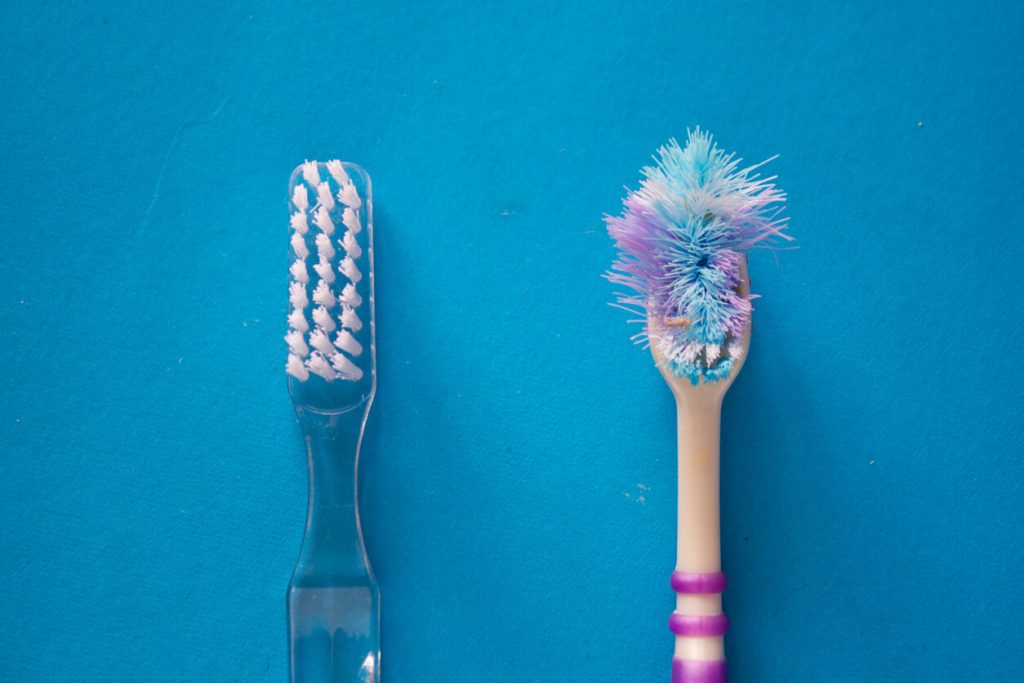
A toothbrush is only effective when the bristles still have their intended shape. As the bristles start to spread, flatten, or look frayed, they become less efficient at removing plaque and sweeping away food particles and debris along the gumline. That means your daily routine may feel the same, but your brush may not be doing the same quality of work.
This matters because poor plaque removal can lead to bigger problems over time. When plaque stays on the teeth and around the gums, it can contribute to tooth decay, gum disease, and even more advanced issues like periodontal disease. Good brushing is one of the foundations of dental health, but regular brushing only works if the tool in your hand is still in good condition.
Signs You Should Change Your Toothbrush Sooner
Sometimes you shouldn’t wait the full three to four months. If the bristles look worn, bent, or visibly frayed, it’s time to change your toothbrush. A fresh toothbrush cleans more evenly and reaches along the edges of the teeth and gums better than one that has been flattened into a rough little broom.
You should also replace your toothbrush sooner if you’ve been sick. After a cold, flu, strep throat, or another illness, many dentists recommend starting with a new toothbrush or replacing your toothbrush head. While your brush doesn’t automatically reinfect you, it can hold bacteria, germs, and other residue after an illness, and switching to a clean one is a simple precaution.
Manual Toothbrush vs. Electric Toothbrush: Does the Rule Change?
The replacement schedule is similar for both options. If you use a manual toothbrush, you should generally replace your toothbrush every three to four months. If you use an electric toothbrush, the handle lasts much longer, but the toothbrush head does not. You still need to replace electric toothbrush heads on roughly the same schedule.
In other words, the big difference is what gets replaced. With a manual brush, the whole brush goes. With an electric toothbrush, you keep the device and swap out the brush head or toothbrush head. Most brands recommend changing electric toothbrush heads every three to four months, or sooner if the bristles are visibly worn.
When to Replace Electric Toothbrush Heads
Many patients assume an electric toothbrush lasts indefinitely because the base still powers on and works fine. But the cleaning happens at the head, and that part wears down with use. If the toothbrush head looks flattened, discoloured, or uneven, it’s time to replace it.
You should replace electric toothbrush heads after three to four months, but also sooner if you notice the bristles are no longer standing upright. A damaged toothbrush head can miss plaque along the gumline and between the teeth. Even a high-end electric model can’t compensate for a worn head. Think of it like winter tires with no tread left: the machine is still there, but the grip is gone.
What a Worn Toothbrush Does to Your Teeth and Gums
A worn out toothbrush doesn’t always look dramatic. Sometimes the change is subtle. The bristles lose stiffness, the edges curl, and the brush starts to feel softer in the wrong way. Not soft bristles by design, but tired bristles that no longer sweep plaque effectively from the surface of the teeth.
When that happens, you may leave behind more plaque, debris, and food particles than you realize. Over time, that can irritate the gums, increase the risk of cavities, and make it harder to maintain healthy teeth and gums. If your smile feels less fresh lately, or your dentist notices more buildup than expected, your old toothbrush could be part of the story.
Should You Replace Your Toothbrush After Being Sick?
Yes, in many cases, it’s wise to replace your toothbrush after you’ve been sick. That includes after a cold, flu, strep throat, or similar illness. The same advice applies to a manual toothbrush, an electric toothbrush, and removable electric toothbrush heads.
Your brush can collect bacteria, viruses, and germs from the mouth while you recover. Although normal cleaning helps, many people prefer the peace of mind of switching to a fresh toothbrush once they’re feeling better. For children, this can be especially helpful because they often store brushes carelessly, share space closely with siblings, or forget basic hygiene steps.
How to Store Your Toothbrush the Right Way
How you store your toothbrush matters more than people think. After brushing, rinse your toothbrush thoroughly with tap water to remove toothpaste, debris, and loosened bacteria. Then place the toothbrush upright in an upright position so it can air dry fully between uses.
Try not to store your toothbrush in a closed container for long periods. It might seem cleaner, but trapped moisture can encourage more bacteria growth. It’s also best to keep your brush away from the toilet if possible, especially in shared bathrooms. If you use a cover for travel, remove it once you get home so the brush can dry properly.
Should You Soak or Sanitize a Toothbrush?
A lot of people assume they should soak a toothbrush in mouthwash or sanitizer to keep it extra clean. In most cases, that’s unnecessary. The American Dental Association generally recommends a simple routine: rinse, shake off excess water, and let the brush air dry in an upright holder.
There’s also no need to boil your brush or use harsh cleaning chemicals. Overdoing it can damage the bristles and change their shape, which defeats the purpose. Good storage, regular replacement, and basic hygiene do more for your health than turning your toothbrush into a science experiment beside the sink.
Keeping Your Toothbrush Clean in a Shared Bathroom
If multiple family members use the same bathroom, keeping your toothbrush separate is important. Try not to let brush heads touch in the holder. Even though each person has their own routine, crowded storage can increase the chance of contamination.
For households with children, this matters even more. Kids are experts at putting things back in the wrong spot, knocking brushes together, or mixing up whose brush belongs to whom. Keeping your toothbrush clearly separated, stored upright, and allowed to dry can help reduce unnecessary exposure to bacteria and make the whole setup more hygienic.
Brushing Habits That Wear Out a Toothbrush Faster
Some people go through a toothbrush quickly because of how they brush. If you scrub hard, use too much pressure, or brush longer than needed, the bristles break down faster. The goal is not to sandblast your enamel. You only need to brush your teeth for two minutes, using controlled motions and a gentle hand.
That’s true whether you use a manual brush or an electric toothbrush. In fact, some people damage a manual toothbrush more quickly because they push harder without realizing it. If your brush looks frayed after only a few weeks, it may be time to adjust technique, not just switch brushes more often.
How Often Should Children Replace a Toothbrush?
For children, the answer is often the same or even more frequent than for adults. Most kids should get a new toothbrush every three to four months, but many need one sooner. Children tend to chew on the handle, bite the head, brush too roughly, or drop the brush in places no parent wants to think about.
Parents should check the bristles regularly. If they look worn, flattened, or frayed, don’t wait. Change your toothbrush or your child’s brush right away. A clean, properly sized brush is essential for building healthy habits early and protecting developing teeth and gums.
Can an Old Toothbrush Cause Bad Breath or Dental Problems?
An old toothbrush is not the only cause of bad breath, but it can definitely contribute. If the bristles are worn and the brush is holding onto debris, bacteria, and leftover food particles, your routine becomes less effective. You may be brushing faithfully and still not getting the clean result you expect.
Over time, that can lead to plaque buildup, irritated gums, and a less healthy overall environment in the mouth. Combined with poor flossing habits or missed dental visits, an overdue replacement can quietly work against your oral health. That’s why keeping your toothbrush in good condition is such a simple but important part of prevention.
The Best Routine for a Healthy Smile
A healthy smile comes from consistency more than perfection. Brush your teeth twice a day for two minutes, use fluoride toothpaste, clean between your teeth with flossing, and make sure you replace your toothbrush or toothbrush head every three to four months. If the bristles are frayed, worn, or you’ve been sick, replace it sooner.
Just as important, remember to store your toothbrush properly. Rinse your toothbrush, place it in a toothbrush upright position, and let it air dry. Avoid leaving it in a closed container unless you’re traveling, and don’t let brushes pile together in one damp cup like a cluster of umbrellas after a storm.
When to Ask a Dentist About Your Toothbrush and Brushing Routine
If you’re not sure whether you’re brushing effectively, ask your dentist at your next checkup. We can often tell from the condition of your gums, the amount of plaque, and the wear on your brush whether your technique needs tweaking. Sometimes the issue is not how often you brush, but how hard, how long, or what type of brush you use.
At Wheatland Dental, we help patients in Saskatoon and Watrous make informed choices about everyday care, from selecting a manual toothbrush or electric toothbrush to improving brushing habits for better oral health. Small changes at home can make a real difference in your long-term health and comfort.
Final Answer: Replace Every Three to Four Months
If you’ve been wondering how often should you replace your toothbrush, the answer is simple: every three to four months for most people. That applies to a standard toothbrush, a manual toothbrush, and most electric toothbrush heads. If the bristles are worn, frayed, or you’ve recently been sick, don’t wait—replace your toothbrush sooner.
A new toothbrush is a small investment, but it supports cleaner teeth, healthier gums, and a more confident smile. If you have questions about brushing, gum care, or preventive dentistry, the team at Wheatland Dental is here to help patients and family members across Saskatoon and Watrous protect their oral health with practical, personalized care.