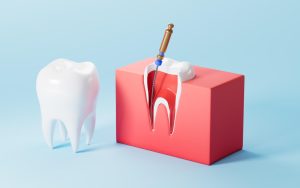
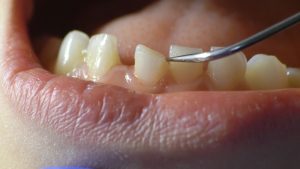
Do you have a noticeable space between your upper or lower front teeth, a condition dentists call diastema?
Many people live with diastemas. Some embrace it as part of their unique smile, while others feel self-conscious and want a change.
If you’re interested in closing that gap, modern dental and orthodontic treatments offer several options, ranging from quick to more permanent.
Key Takeaways
|
What Causes Spaces Between Your Teeth?
Understanding the root cause helps your dentist recommend the right treatment.
Here are the most common causes affecting both adult teeth and natural development:
- Jaw size mismatch: When your jaw bones are slightly larger than needed for your permanent teeth, natural spacing develops. This size discrepancy often runs in families and can affect how neighbouring teeth align.
- Oversized labial frenum: The tissue connecting your upper lip to your gums can grow too large and push between your two upper front teeth, creating a persistent midline diastema.
- Childhood habits: Thumb sucking or prolonged pacifier use past age four can push teeth forward and shift your front teeth outward. These habits during baby tooth development can impact the development of adult teeth.
- Improper swallowing reflex: Pressing your tongue against your incisors when swallowing (tongue thrusting) can gradually widen spaces and push teeth away from their normal position.
- Missing teeth or tooth loss: When you lose one or more teeth, surrounding teeth may shift and create gaps. This happens with both baby teeth that fall out early and permanent teeth lost to injury or extraction.
- Gum disease: Advanced periodontal disease can erode bone support, causing loose teeth, tooth loss, and spacing issues that affect your overall oral health.
- Undersized or extra teeth: Some people have smaller lateral incisors that don’t fill the available space, while others have extra teeth that push neighboring teeth apart.
Can Teeth Gaps Close Naturally?
Before exploring professional options, many wonder whether spacing will resolve on its own.
The answer depends on your age and the cause of the gap.
- In children: Small spaces between baby teeth are completely normal and often necessary for proper development. These gaps usually allow room for larger adult teeth to emerge. Many spaces that appear during childhood will close naturally once permanent teeth come in, especially between the two upper front teeth.
- In adults: Unfortunately, spacing in adult teeth won’t close on its own. Once your permanent teeth are fully developed, they may shift over time due to gum disease or tooth loss. However, they won’t naturally move closer together to eliminate existing spaces.
Professional orthodontic treatment or cosmetic dental procedures become necessary for adults who want to close spacing. If you’re hoping your gap will resolve itself, consult with a dentist who can evaluate whether intervention is needed.
Professional Methods to Close Spacing
When professional correction is necessary, your dentist will recommend an approach tailored to several factors. These include the size of your space, your age, overall oral health, and aesthetic concerns.
They will also consider whether you need to address other dental issues, such as crooked teeth or tooth decay.
1. Orthodontic Treatment
Traditional Braces
Metal braces work by applying steady, controlled pressure through brackets and wires. Sometimes they use rubber bands for additional correction. They’re especially effective for larger spaces, crooked teeth, or comprehensive alignment issues.
Timeline:
- Small spaces (1-2mm): 6-9 months
- Moderate spacing (2-4mm): 12-18 months
- Large or multiple spaces (5mm+): 18-24 months
Key advantages:
- Handle complex cases that aligners can’t
- Correct multiple alignment issues simultaneously
- Deliver consistent results without depending on patient compliance
- Precisely control movement direction and speed
Clear Aligners (Invisalign)
For those seeking a more discreet option, clear aligners like Invisalign use custom-made shells of transparent plastic that gradually shift your teeth, including your incisors.
This orthodontic treatment involves wearing a removable appliance 20-22 hours daily, switching to a new set every 1-2 weeks.
Timeline: Most people wear Invisalign aligners for 3 to 18 months. Smaller spaces typically respond within 3-6 months, while larger spacing needs closer to a year.
Main benefits:
- Nearly invisible appearance
- Removable for meals and cleaning
- More comfortable than metal brackets
- Ideal for mild to moderate spacing in adults
After any orthodontic treatment, you’ll need to wear a retainer as directed. Without proper retention, natural teeth can shift back toward their original positions, potentially reopening the space within months.
2. Cosmetic Dental Bonding
Dental bonding offers the quickest cosmetic fix for small spaces. This procedure uses tooth colored resin (a tooth coloured material) applied directly onto your incisors. Your dentist sculpts the composite to close the space and then hardens it with a UV light.
The process: One appointment, usually 30-60 minutes per tooth. You’ll walk out with immediate results and no downtime. The composite bonding material matches your natural enamel color perfectly.
Ideal candidates:
- Smaller spaces (under 2mm)
- Anyone wanting instant improvement without orthodontic procedures
- Budget-conscious patients seeking cosmetic improvement
- Minor aesthetic concerns on the upper front teeth
Keep in mind that the bonding material can stain over time and typically lasts 3-10 years before requiring touch-ups. While effective, bonding is more prone to chipping than porcelain veneers.
2. Porcelain Veneers
Veneers are thin, custom-made shells of ceramic bonded to cover the front of your teeth, typically your incisors. These cosmetic dental procedures close spaces while simultaneously improving color, shape, and minor alignment.
The process: 2-3 visits over 2-4 weeks. Your first appointment involves preparing your incisors (removing a thin layer of natural enamel), taking impressions, and placing temporary veneers. The final visit bonds your permanent porcelain veneers.
Best suited for:
- Moderate to large spacing between two teeth or more
- Severe staining that cosmetic dental bonding won’t cover
- Multiple aesthetic concerns requiring comprehensive correction
- Anyone seeking a stain-resistant, durable option
Porcelain veneers can last 10-15 years with proper care and resist staining more effectively than natural enamel. However, the procedure can’t be reversed since removing enamel is a permanent change. When comparing bonding or veneers, consider longevity versus cost.
3. Dental Crowns
Dental crowns may be recommended when spacing is accompanied by other dental issues, such as tooth decay, weakened teeth, or significant structural damage.
Unlike veneers that cover only the front surface, crowns encapsulate the entire tooth, providing both cosmetic improvement and structural support.
The process: Similar to veneers, crowns require two to three appointments over a period of two to four weeks. Your dentist prepares the tooth, takes impressions, places a temporary crown, and then bonds the permanent crown in place.
Best for:
- Teeth with existing fillings or damage
- Larger spaces requiring structural support
- Cases where both cosmetic and functional restoration are needed on surrounding teeth.
4. Dental Bridge
When spacing exists due to missing teeth rather than alignment issues, a dental bridge offers an effective solution.
This restoration uses neighboring teeth as anchors to support artificial teeth that fill the gap.
How it works: Your dentist prepares the neighbouring teeth on either side of the gap, then places a custom bridge consisting of artificial teeth fused to crowns.
Timeline: Typically, this process requires 2-3 appointments over 2-4 weeks, including tooth preparation, impressions, temporary bridge placement, and final bridge bonding.
Dental bridges require altering healthy neighboring teeth to serve as anchors. Some patients prefer dental implants to preserve the natural tooth structure.
5. Dental Implant
For spaces caused by missing teeth, a dental implant offers the most comprehensive and long-lasting solution.
Unlike bridges, implants don’t require altering other teeth and function like natural teeth.
The process: Your dentist surgically places a metal screw (usually titanium) into your jawbone. Over several months, it fuses with the bone. Once healed, an artificial tooth (crown) attaches to the implant, creating a stable replacement that prevents other teeth from shifting.
Timeline: The complete process takes 3-6 months, allowing sufficient time for the implant to integrate with your jawbone. While longer than other options, dental implants offer unmatched durability and function. Local anesthesia keeps you comfortable during the procedure.
Key advantages:
- Preserve surrounding teeth (no alteration needed)
- Prevent bone loss in the jawbones, maintaining facial structure
- Function and feel like natural teeth
- Last 20+ years with proper care, often a lifetime
6. Frenectomy
If an oversized labial frenum is pushing your two upper front teeth apart, a frenectomy may be recommended.
This minor surgical procedure removes the excess tissue connecting your upper lip to your gums, allowing teeth to move closer together naturally or through subsequent orthodontic treatment.
The procedure: Takes 15-30 minutes using local anesthesia. You’ll need about 7-10 days for healing before starting other correction methods.
Research shows that combining frenectomy with orthodontic procedures provides lasting results when the frenum is the underlying cause of midline diastema.
How Long Does It Take to Fix Gapped Teeth?
Understanding timelines helps you plan, but several factors affect how quickly you’ll see results.
The answer depends on which approach you choose and how your mouth responds:
- Cosmetic dental bonding: Same day (30-60 minutes)
- Porcelain veneers: 2-4 weeks
- Clear aligners: 3-18 months
- Traditional braces: 6-24 months
- Dental bridge: 2-4 weeks for missing teeth replacement
- Dental implant: 3-6 months for complete tooth loss restoration
Several factors influence your specific timeline:
- Space size: Wider spaces require more time. Small gaps might close in a couple of months with braces, while larger spacing issues could take up to two years to resolve.
- Your age: Younger patients typically see faster results as their jaw bones respond more readily to movement. Adults achieve excellent results, though correction may take slightly longer.
- Overall oral health: Healthy gums and bone structure respond better. Any gum disease, tooth decay, or other dental issues need treatment first.
- Compliance with instructions: Wearing clear aligners and other removable appliance options for 20-22 hours daily is crucial. Missing hours add weeks or months.
Note: These timeframes are general estimates. A dental professional will give you a personalized timeline after examining your smile and assessing whether diastema affects other aspects of your oral health.
How to Fix Gapped Front Teeth
Spaces between your upper front teeth (midline diastema) are the most visible and common type of diastema.
Since your front teeth show prominently when you smile or talk, aesthetic concerns become especially important. The gap between the front teeth often causes the most self-consciousness, making it a priority for cosmetic dental procedures.
Recommended approaches:
- Clear aligners: Excellent choice for discreet correction of small to moderate spacing without visible metal braces
- Cosmetic dental bonding: Ideal for smaller spaces when you need immediate cosmetic improvement using tooth coloured material
- Porcelain veneers: Effective when you’re also addressing color or shape concerns on multiple teeth
- Traditional braces: Most effective for larger spaces or when comprehensive bite correction is needed
If your oversized labial frenum is causing the space, a dental professional may recommend a frenectomy as the first step. This prevents the gap from reopening after correction.
Professional Care for Your Smile at Wheatland Dental
At Wheatland Dental in Saskatoon and Watrous, we help individuals and families throughout Saskatchewan achieve healthy, confident smiles with care that’s warm, modern, and personalized.
From clear aligners and cosmetic bonding to veneers, crowns, implants, and comprehensive orthodontic treatment, our experienced team guides you through your options, allowing you to choose what feels right for your goals, lifestyle, and budget.
With convenient locations, extended evening hours, and comprehensive services for children, teens, and adults, we make quality dental care accessible and stress-free. Whether you’re improving your oral health or exploring cosmetic solutions, we’re here to support you in achieving your best smile.
If spacing or cosmetic concerns are on your mind, schedule your consultation today.